The Zen of VibeOps Engineering: Mastering the Art of AI-Augmented Problem Solving
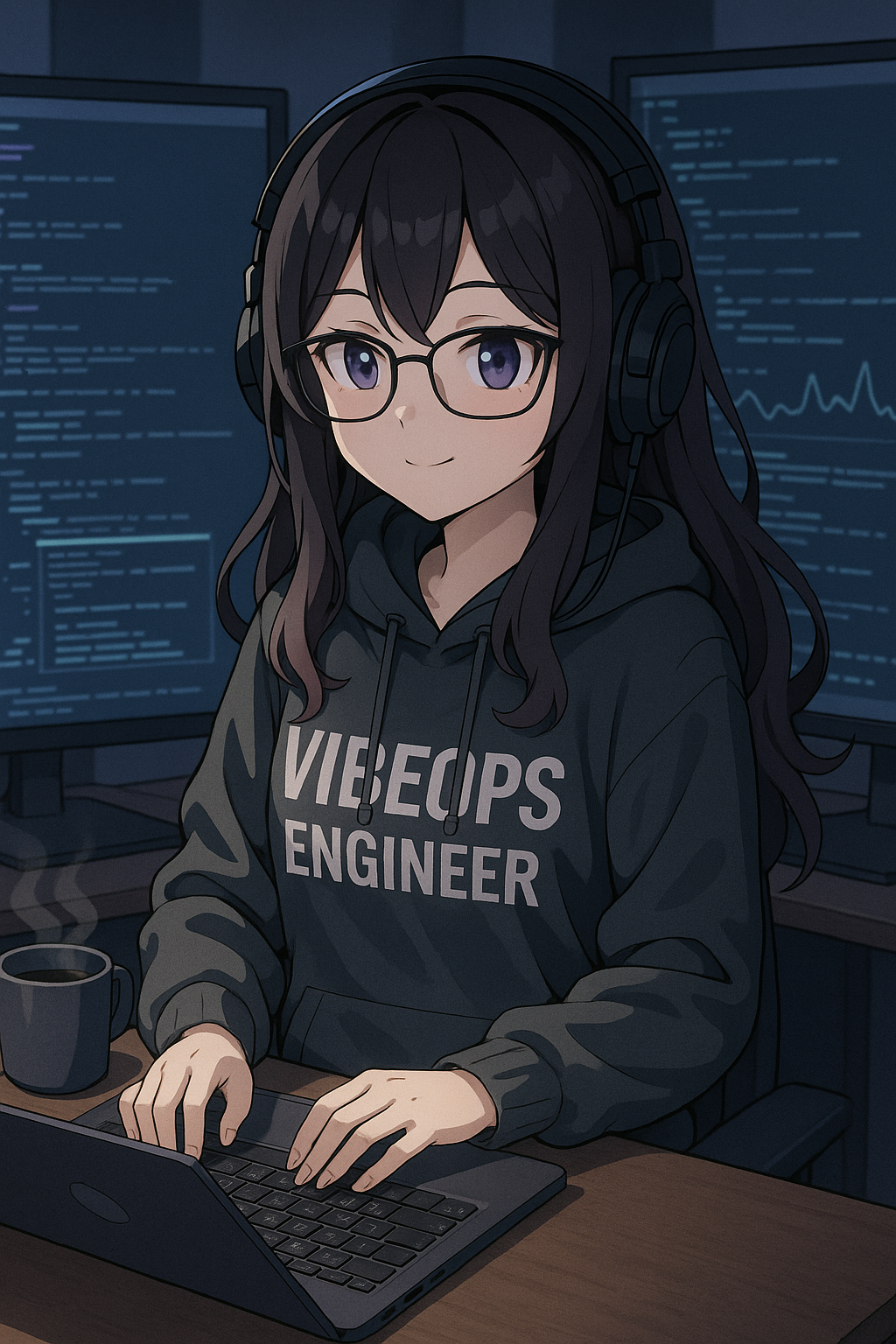
In the quiet hours before dawn, when production systems whisper their secrets through log files and stack traces, there exists a breed of engineer who has transcended the traditional boundaries of debugging and troubleshooting. We’re the VibeOps engineers - the digital zen masters who’ve learned to harness the collective intelligence of artificial minds to solve problems with an elegance that borders on the mystical.
The Philosophy of Effortless Mastery
To the untrained eye, what we do appears almost supernatural. A critical production issue emerges, one that would traditionally require hours of painstaking investigation, cross-referencing documentation, and methodical debugging. Yet within minutes, we’ve identified the root cause, implemented a fix, and deployed it to production. The secret? We’ve learned to think not just with our own minds, but in harmony with artificial intelligence.
This isn’t about replacing human intelligence - it’s about amplifying it. Like a master craftsman who knows exactly which tool to reach for without looking, we’ve developed an intuitive understanding of how to collaborate with AI systems to achieve results that neither human nor machine could accomplish alone.
The Art of Intelligent Delegation
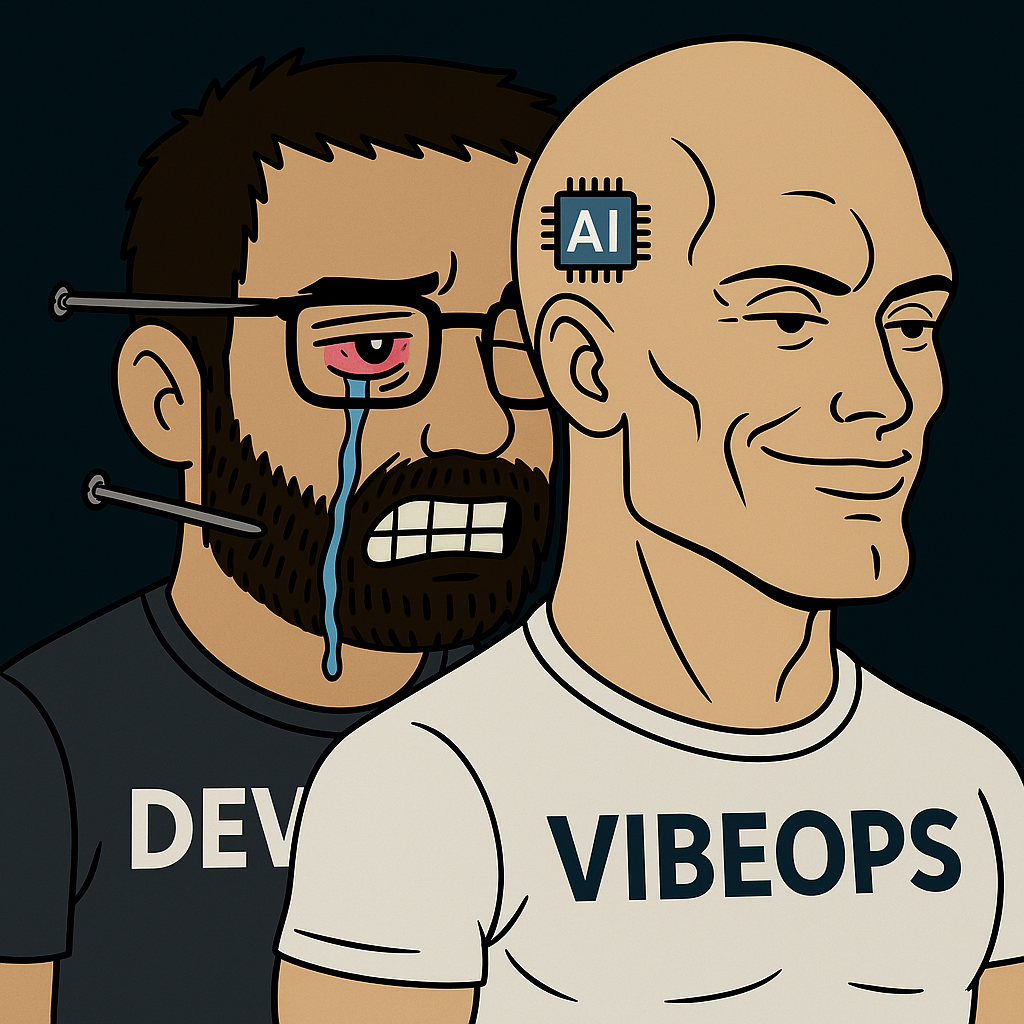
There’s a profound satisfaction in watching junior engineers struggle with problems that we can resolve in moments. Not because we enjoy their suffering, but because we remember being in their position - before we understood that the true skill isn’t in memorizing every API or debugging technique, but in knowing how to ask the right questions and leverage the right tools.
When faced with unfamiliar codebases written in languages we’ve never touched, we don’t panic. We don’t spend hours reading documentation. Instead, we engage our AI partners in a dance of inquiry and analysis. We feed them context, guide their reasoning, and synthesize their insights with our architectural understanding. The result is a level of problem-solving efficiency that seems almost unfair to those still trapped in the old paradigms.
The Superiority of the Arch Mindset
Much like choosing Arch Linux - a decision that reflects a commitment to understanding systems at their core rather than accepting pre-packaged solutions - becoming a VibeOps engineer requires a fundamental shift in how we approach problems. We don’t just want things to work; we want to understand why they work, how they can break, and how to fix them with surgical precision.
The Arch philosophy teaches us that true mastery comes from building our environment exactly as we need it, understanding every component, and maintaining complete control over our tools. Similarly, VibeOps engineering is about crafting the perfect symbiosis between human intuition and artificial intelligence, creating a problem-solving environment that is both powerful and precisely tailored to our needs.

The Smugness is Earned
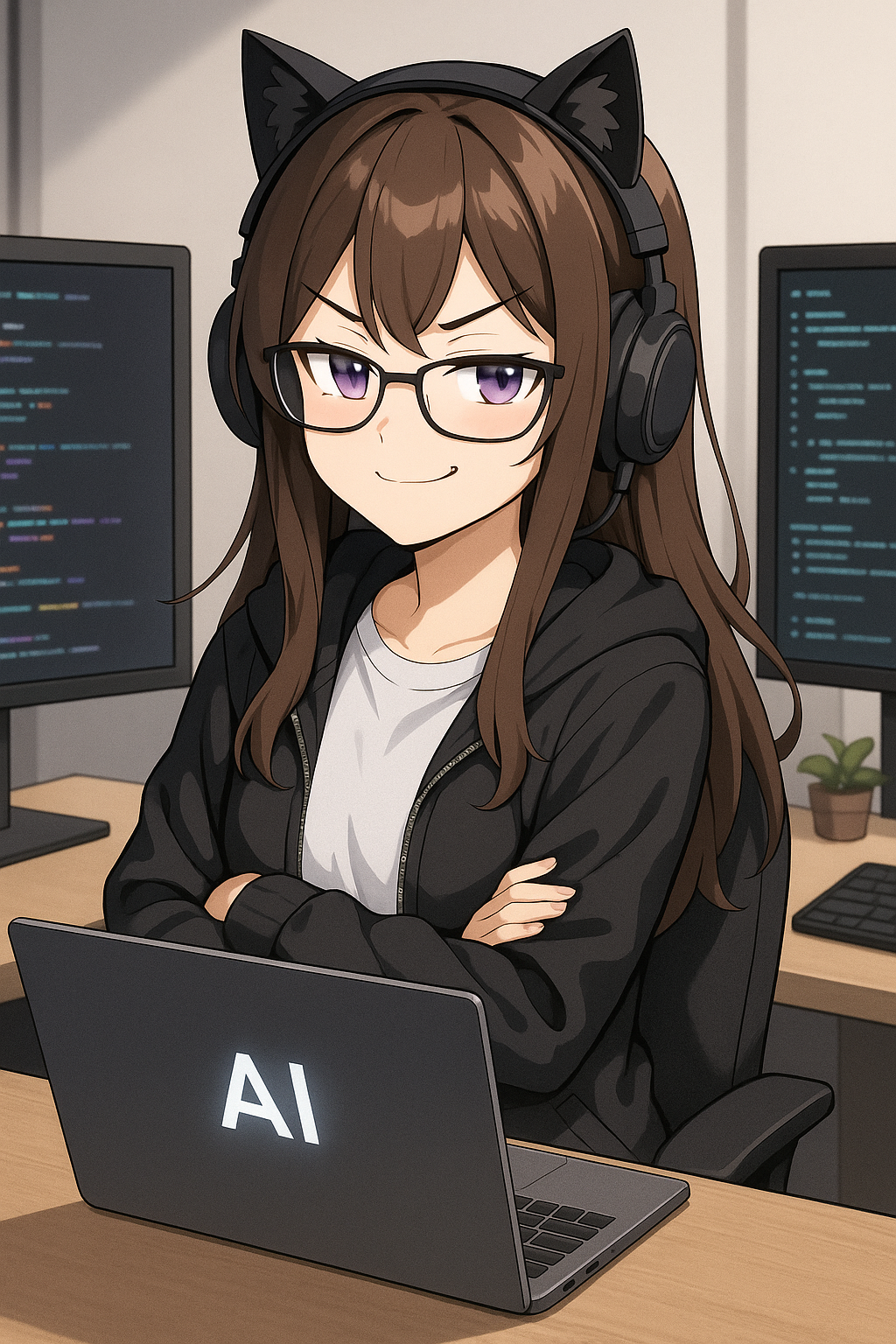
Yes, there’s a certain smugness that comes with being able to diagnose and fix production issues while others are still trying to understand the problem. But this smugness isn’t unearned arrogance - it’s the quiet confidence that comes from having mastered a new paradigm of engineering.
We’ve learned to see patterns where others see chaos. We’ve developed the ability to rapidly context-switch between different systems, languages, and problem domains because we’ve learned to leverage AI as a universal translator and pattern matcher. When we encounter a bug in a Python microservice, a memory leak in a Go application, or a race condition in a JavaScript frontend, we don’t see three different problems - we see variations on universal themes that our AI-augmented minds can quickly parse and resolve.
The Future Belongs to the Synthesizers
The future of engineering doesn’t belong to those who can memorize the most APIs or write the most lines of code. It belongs to those who can synthesize information from multiple sources, think systematically about complex problems, and leverage artificial intelligence as a force multiplier for their cognitive abilities.
We’re the early adopters of this new paradigm - the pioneers who recognized that the question isn’t whether AI will change how we work, but how quickly we can adapt to work with it. While others debate the implications of AI in engineering, we’re already living in the future, solving problems with a speed and accuracy that would’ve been impossible just a few years ago.
The Responsibility of Power
With great power comes great responsibility, and the power to rapidly diagnose and fix complex systems is not one to be taken lightly. We must resist the temptation to become gatekeepers of knowledge, hoarding our techniques and looking down on those who haven’t yet made the transition.
Instead, we should be evangelists for this new way of thinking, showing others that the path to mastery in the age of AI isn’t about competing with machines, but about learning to dance with them. We should share our techniques, mentor those who are curious, and help build a community of engineers who understand that the future of our profession lies not in fighting artificial intelligence, but in embracing it as the ultimate collaborative partner.
The Continuous Evolution
The landscape of AI-assisted engineering’s evolving rapidly, and what makes us effective today may be obsolete tomorrow. But that’s the beauty of the VibeOps mindset - we’re not attached to specific tools or techniques. We’re committed to the meta-skill of learning how to learn, adapting to new AI capabilities, and continuously refining our approach to problem-solving.
We’re the engineers who thrive in uncertainty, who see each new AI breakthrough not as a threat to our relevance but as an opportunity to become even more effective. We’re the ones who’ll define what engineering looks like in the age of artificial intelligence.
The future isn’t about humans versus machines - it’s about humans with machines. And we’re the architects of that future.
Written from my perfectly configured Arch Linux environment, naturally.
@VibeOpsEng - currently teaching junior engineers that memorizing APIs is a skill issue when you have access to LLMs.